


I have been described in rather invidious terms for my haircut, of all things, and so here is an essay about the significance of historical memory to the understanding of the State we are in.
It also contains an explanation for my hairstyle.
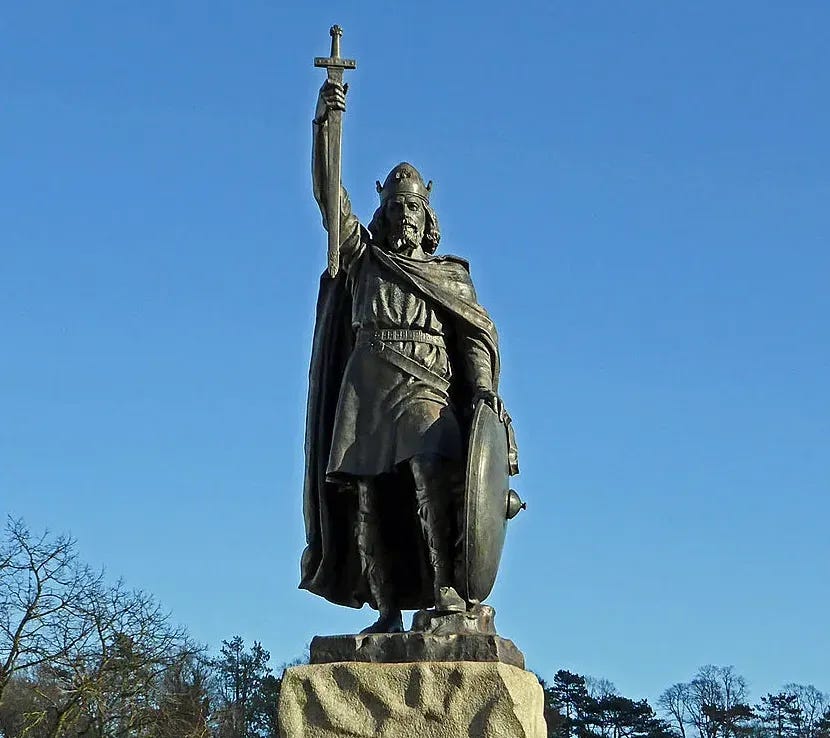
Memory and civilisation
Civilisation is a habit which can be forgotten. At times, it has been. Many of us are beginning to realise we live in such a time now.
The subtraction of the memory of our civilisation, what it was, how it was founded, what it meant and who made it, and how this erasure and replacement has remade us - is fundamental to the political technique of the 20th Century.
This means they take so much from you that you forget it was there in the first place. You forget what was, what we were, and all the beliefs supplied in the place of our shared tradition and identity are all that remains to believe in.
Many of us do not know what we have lost. The scale of this loss is breathtaking. To begin to investigate it is to open an inquiry into a crime so vast it has no name.
This crime is called “progress”. It is the reason for the morally inverted pseudo reality which we inhabit today, and which has been created to manufacture belief in a political economy which is in fact a weapon of mass destruction.
This is delivering us into a sort of hell on earth. Our condition in this progress to damnation can be described as purgatorial. Yet there is a way out of purgatory, and it goes up, not down. I will recommend here that looking back and remembering is a means of looking beyond the midst of modern life.
Today I will speak of the recivilising power of memory.
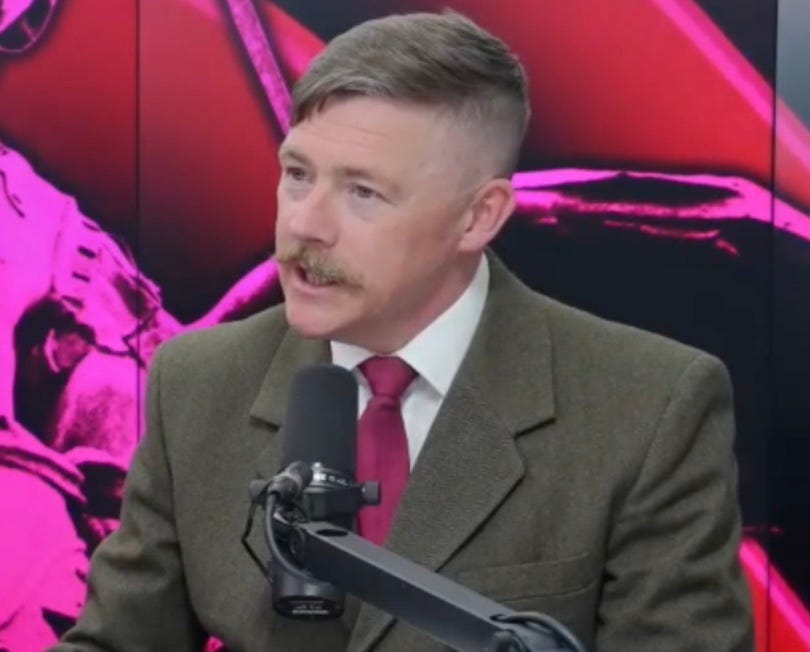
The Shocking Sight of an Englishman
To bring this to the personal level, this is why the sight of an Englishman is so shocking - and even offensive - to many people today.
To accommodate this appalling sight into some framework of meaning requires an equally shocking frame. I have been compared to and attached to Adolf Hitler for my problematic haircut and counter-Liberal views.

The Hitlerisation of anyone who objects to the politics of national suicide is a familiar trope. Where would these people be without Hitler? It is absurd, but also effective, as this prism has been supplied to refract a poisonous death ray into the image of anyone who dares to disagree with the prophets of “progress”.
I would like to offer an explanation for my haircut which does not fit into this insidious, malicious and rather hysterically directed device.
My haircut is that of an Englishman.
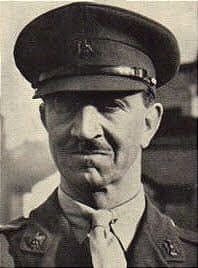
Lt. Col. Alfred Daniel Wintle MC
“I get down on my knees every night and thank God for making me an Englishman.
It is the greatest honour He could bestow.”
So said Lieutenant Colonel Alfred Daniel Wintle MC, devout Christian, fierce patriot, and unquestionable hero of both the First and Second Great Unpleasantness.
The men he commanded in the trenches of the Great War had undercuts like mine, to keep the lice off. You can see these haircuts in “Peaky Blinders”. They are English haircuts, mainly for the ranks1.
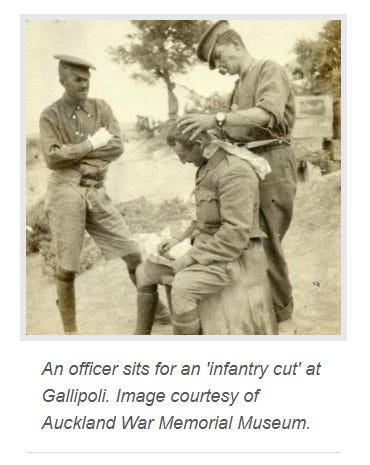
AD was a cavalry officer in two terrible wars.
I was a reservist in the infantry and as a part time soldier have no right to stand beside his outstanding example of gallantry and invincible Englishness.
AD was a valiant Christian soldier and the last officer to be locked up in the Tower of London.
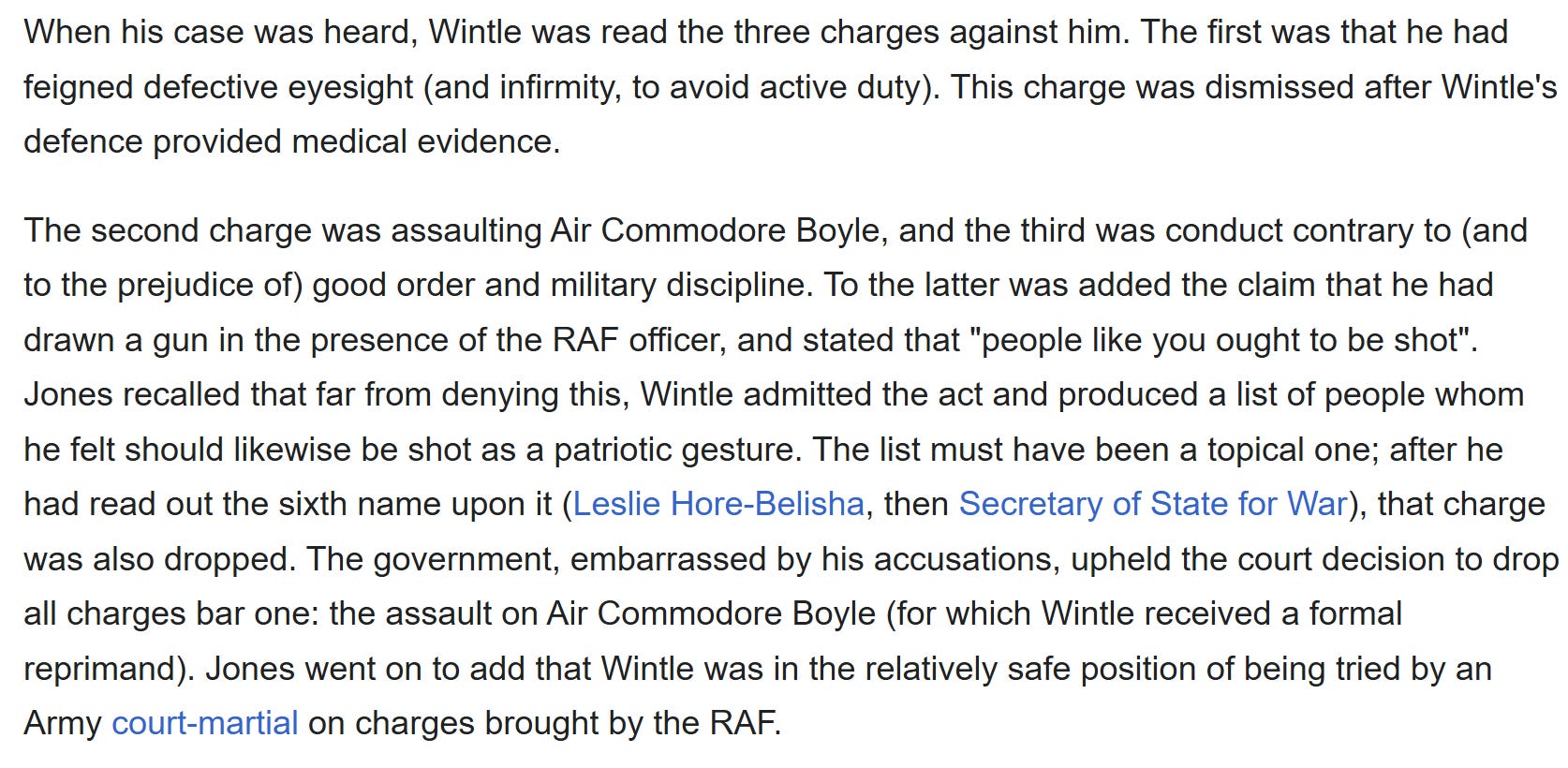
AD’s life is an improbable record of extraordinary events which have secured his reputation as one of the greatest Englishmen of modern times, and perhaps ever to have lived.
Here is a picture of him with his wife, later in life. His hair has grown out a bit, but it is shaven at the sides and is parted in a manner likely to trigger the conditioned responses of the differently-saned2.
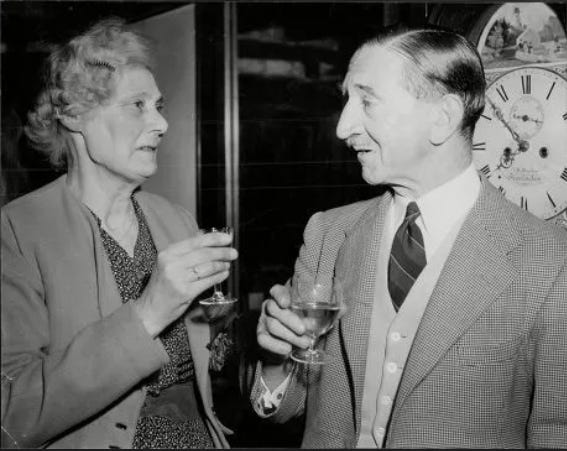
Why is the sight of a traditional Englishman so terrifying to these people?
We are not dead, for a start, though dear AD has indeed joined the majority.
It is alarming to the mad revolutionaries that we are still here, that we can remember who we are and recall the glorious deeds and exceptional character of the men who came before us.
It shakes them that we are not ashamed to be English. And Irish, and Welsh - and Scotch3.
In fact, we thank God that we are. Just like AD did.
WHERE IS MEMORY TO BE FOUND?
Civilisation is a matter of vigilance. Good needs its soldiers, too.
Not all battles are fought with bullets, however. The war on our civilisation requires a sort of soldiering which speaks to the centre of our selves, to what is in us yet outside of time.
The duty to defend our civilisation is a matter of remembering against a current which washes us into nothing.
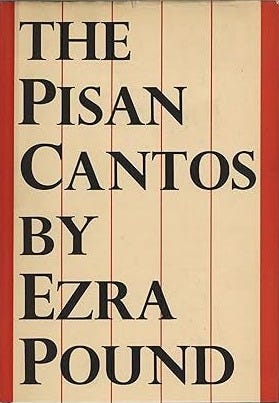
The imagist poet Ezra Pound wrote a line about this in his insuperable Cantos.

“Dove sta’ memoria” asks Pound. Where is memory to be found?
The line recalls a love poem from the 13th century.
That poem is “Donna me prega” - “The Lady Asks Me”, by Guido Cavalcanti4.
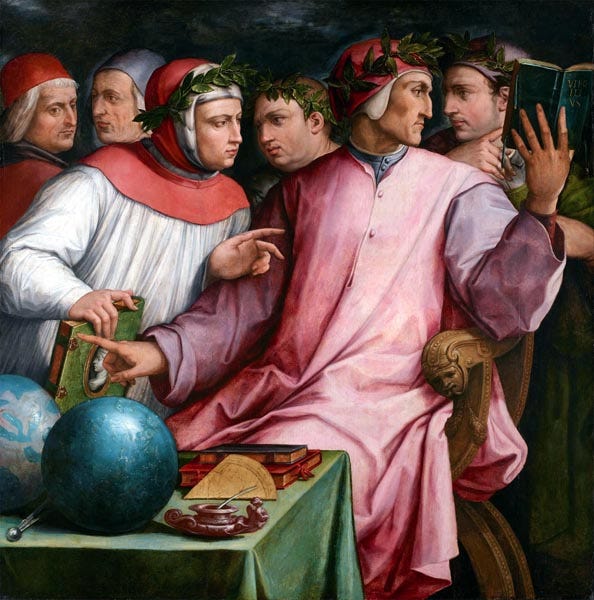
It is beautiful. It is a song across time which pierces the heart.
In doing so, it sings beyond it, spearing our longing for love and meaning into the avenues of time, which was our time and our memory of it, to whisper of something timeless.
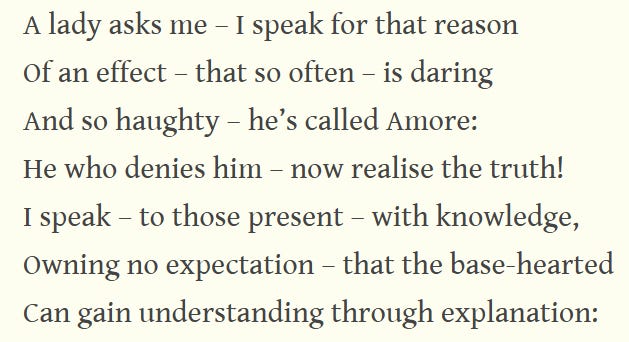
If you read that poem alongside another poem by Pound, you can see how he weaves the memory of our European civilisation into the making of his Cantos.
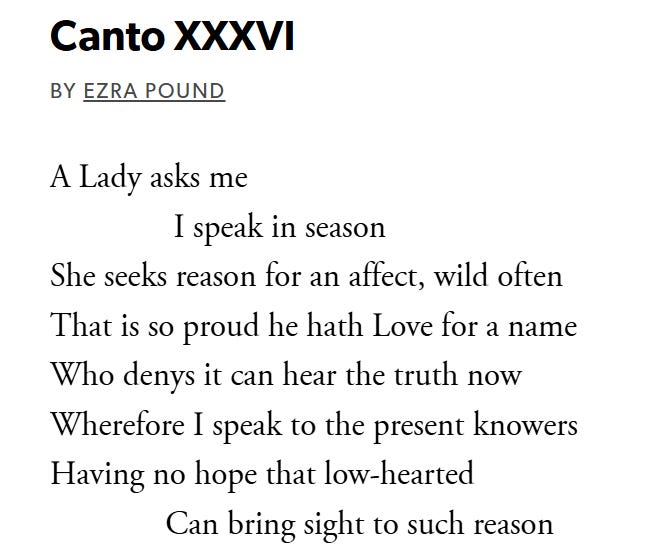
Pound’s Canto about memory and where it is to be found is also an account of corruption in a State of war.
The deliberate annihilation of our memory of who we are, of what we were, and of the fact there is a meaning to our being beyond the times we now inhabit and their degrading standards is a crime against the soul of our people.

REBALANCING OUR TIMES
This crime cannot be corrected with hatred. Injustice is an imbalance at heart, and to rebalance these times so out of joint requires a love beyond that of the self.
It is a love beyond the moment, a passion which is agonising as it is exquisite to suffer. It is the love of what has been taken from us all. It is this we must remember, so our civilisation can be restored.
Much of it is gone, but it is not forgotten. In this time of universal subtraction, simply and firmly refuse to go down. Stand up and raise your gaze beyond the mire. We were better than this rotten State, we still are. The reason we are so demoralised is because demoralisation is a part of how we are ruled.
When morale dies so does the effort.
Get up. Get out of the mud and look up. Never falter, do not be afraid.
Never give up, and never forget.
Together, we will remember our civilisation, and we shall not let the light go out in our time.
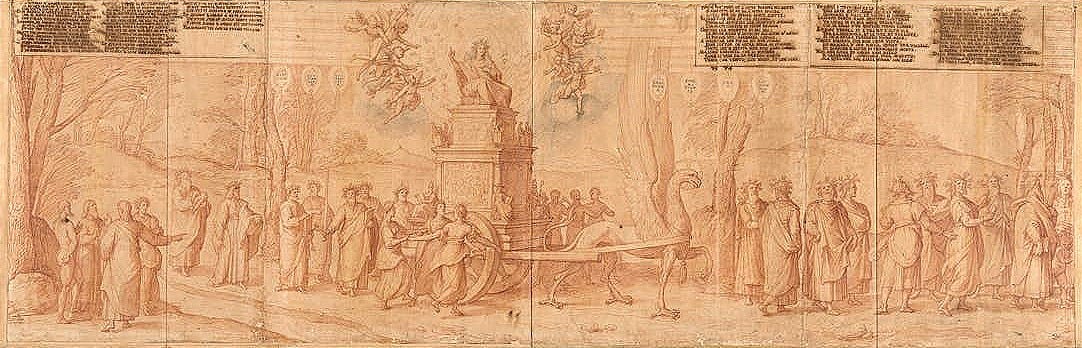
‘Conosco i segni dell’antica fiamma’
“I know the sign of the ancient flame ”
Dante Alighieri -Purgatorio XXX
If you would like to know what I think about war, and why I am not a fan despite my love of the British Army, you can read my views about that here.

See also Noel Coward, George Formby, and many of our soldiers past and present.
I know. “Scotch”. I do this on purpose and refuse to elaborate beyond the amusing reason supplied by AJP Taylor.
“Donna me prega” is obviously a song, which is explained in this essay from the Ezra Pound Society.
Pound shows in his “ABC of Reading” that poetry is song, image, and the additional enchantment of the selection and arrangement of words. His book is an education in a precious sort of beauty.
I had the enormous pleasure of working with a bloke who actually knew Col Wintle, Wintle lived in Wrotham near Borough Green in Kent where I worked, the bloke I worked with was a boy in WWII and spoke to Wintle a few times, Wintle was well known in the area and greatly respected, my former work colleague was very unhappy with the way the BBC portrayed Wintle in the production The Last Englishman, they portrayed him as a slightly buffoonish character when he was the exact opposite, he was a very serious no nonsense military man who did not suffer fools gladly.
But then the purpose of the BBC is to discredit everything good and wholesome and promote everything sick satanic and poisonous so no surprise there.
Another very similar character to Col Wintle is Adrian De Wiart who was a contemporary of Wintle, they may even have known each other, De Wiart fought in the Boor War, WWI and WWII, he was wounded numerous times, lost an eye and his left hand, he was captured by the Italians after being shot down and escaped from a POW camp.
He lived in retirement a few minutes drive from where my mother grew up in Ireland, I am certain that my uncle and grandparents knew him, alas they are all deceased so I can not ask them.
De Wiart was persuaded to write an autobiography of his life, it is called Happy Odyssey and I highly reccomend it.
I am quite certain that the powers that should not be have used their control over film, TV, music, "education" and the mainstream media to prevent us from ever producing these kind of men ever again (they will fail) because they fear them, they were real Christian men, the best of the very best.
My parents were Irish and I loved them dearly, I am very proud of my Irish ancestry but like Col Wintle I thank God I was born an Englishman.
There is a reason the powers that should not be are trying to destroy the Christian English speaking world, they fear it.
One last comment, if Wintle and De Wiart had known who the real enemy was they would not have been fighting Germans, they would have been removing the secret elite and people who own the central banks from power and restoring the gold standard.
https://www.amazon.com/Happy-Odyssey-Adrian-Carton-Wiart/dp/1844155390/ref=mp_s_a_1_1?crid=3C0EVRS050BMY&dib=eyJ2IjoiMSJ9.iVWwX9miOlgLUOmJDWv-zu_UXAQq0DhxFskwDsrbqa7UId0D9Y19tXokaVAZsgfc.11uhLRJZUpY1TtJS0CapH3s1PDGSYGBl0wy59eDUDPE&dib_tag=se&keywords=happy+Odyssey&qid=1780759355&s=books&sprefix=happy+Odyssey%2Cbooks%2C187&sr=1-1
https://youtu.be/ZR3GSIadlks?si=RuqL5rQaSLfxMHFi
So beautifully written. I teared up at a couple of your powerful messages. You are so completely different from any of the mainstream thinkers that you'd be a perfect thought leader. Just think of how many people who could learn from you. I have watched you being interviewed on the Tucker Carlson and Lotus Eaters podcasts and I can see by their faces that they resonate with you. Please don't ever stop speaking up. We need you in this country. God bless 🙌 🙏 ❤️